
Paths That Connect Spaces Without Settling
Walkway Installation in Buckfield for properties needing safe access routes between buildings and outdoor areas
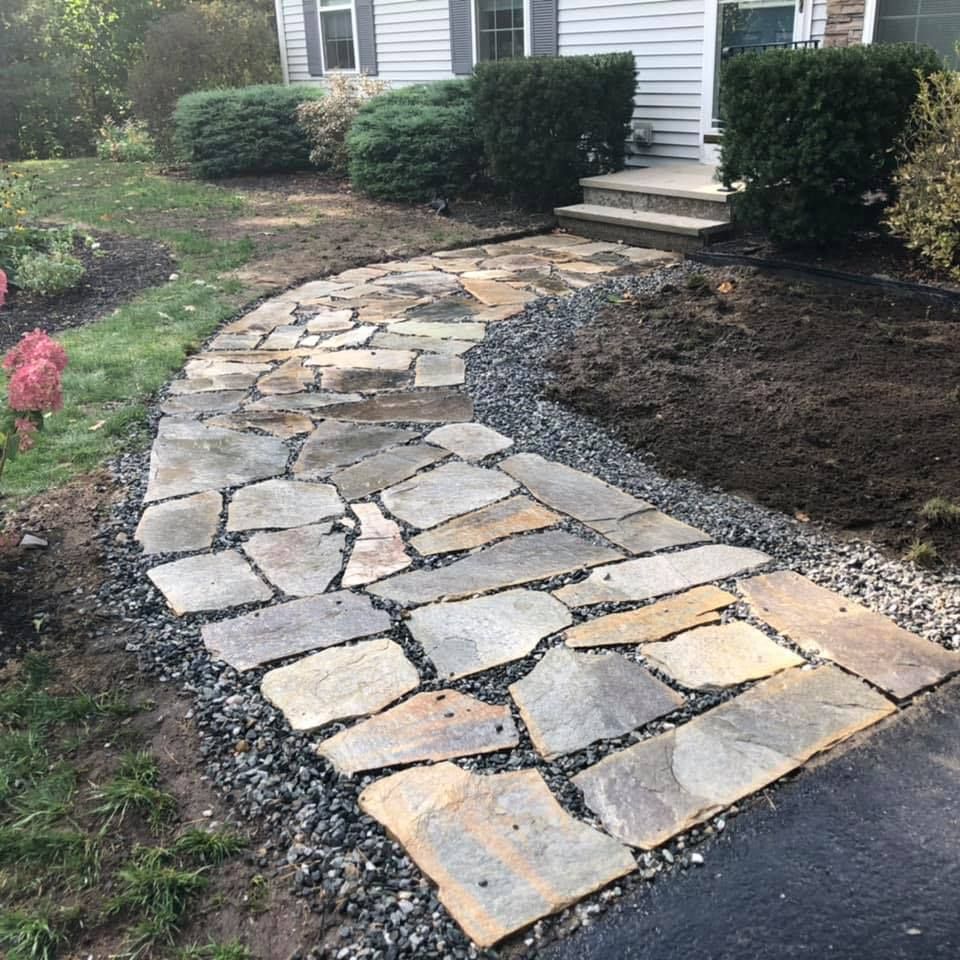
Maine's freeze-thaw cycles cause poorly constructed walkways to develop uneven sections and separated joints as ground moisture expands and contracts seasonally, creating trip hazards and drainage problems that worsen each year. Professionally installed walkways use excavation depth and base preparation methods that resist heaving and settling, maintaining level surfaces that remain safe for foot traffic and snow removal equipment. Stonewall & Repair designs custom walkway layouts in Buckfield that connect driveways, patios, entry doors, and garden areas using natural stone or paver materials suited to the property's aesthetic and traffic patterns.
Installation involves removing existing soil to depth, establishing proper slope for water runoff, and compacting gravel base layers that drain freely while supporting the surface material without shifting. Walkways are graded to direct water away from building foundations and toward designated drainage areas, preventing ice formation in high-traffic zones during winter months. Material selection affects slip resistance, visual compatibility with existing hardscape, and ease of individual piece replacement if future damage occurs from snow plow impact or vehicle encroachment.
Arrange a site consultation to review pathway routing options and discuss material choices appropriate for your property's layout and traffic needs.
Why Walkway Base Preparation Determines Longevity
Excavation extends below the frost line typical for Buckfield soil types, with compacted gravel installed in layers that prevent the heaving and subsidence caused by moisture movement during seasonal temperature changes. Stonewall & Repair completes excavation, leveling, and grading in-house, allowing direct control over base compaction quality and drainage slope accuracy rather than coordinating specifications across separate contractors.
Once construction finishes, you'll have clearly defined paths that eliminate shortcuts across lawn areas, reducing mud tracking and turf damage during wet periods. The walkway surface remains level enough for safe walking without watching each step for raised edges or sunken sections. Snow and ice melt drain off the path rather than forming slippery patches, and the walkway withstands scraping from shovels and snow blowers without individual stones popping loose or cracking under impact.
Curved walkway layouts require more cutting and fitting than straight paths, affecting installation time and material waste percentages. Width decisions balance accessibility needs with space constraints, with wider paths accommodating side-by-side walking or equipment passage while narrower routes serve primarily as functional connectors. Edge restraint systems prevent walkway borders from spreading outward over time, maintaining clean lines between hardscape and adjacent plantings or lawn areas.
Answers to Frequent Walkway Questions
Homeowners considering new walkways typically want to understand material performance, construction requirements, and how paths hold up to equipment traffic and winter conditions.
What keeps a walkway from developing uneven sections after installation?
Base layers compacted below the frost line prevent heaving during freeze-thaw cycles, while proper drainage slope stops water from infiltrating under the surface where it can create voids or expansion pressure as it freezes.
How do natural stone and paver walkways differ in maintenance requirements?
Natural stone offers varied texture and color with irregular joint patterns that hide minor settling, while pavers provide uniform surface height and consistent joint spacing that simplifies snow removal and cleaning in Buckfield properties.
What width should a walkway be for practical use?
Minimum functional width for single-file foot traffic runs about three feet, while paths designed for side-by-side walking or occasional wheelbarrow passage typically measure four to five feet across.
How does walkway placement affect drainage around buildings?
Paths are graded to slope away from foundations and toward landscape areas or drainage systems, preventing water from flowing toward basement walls or creating ice dams near entry doors during winter.
Can walkways handle snow plow or blower equipment without damage?
Properly installed walkways with adequate base depth and edge restraint withstand typical residential snow removal equipment, though sharp plow blade angles or aggressive scraping can still chip individual stone edges over time.
Stonewall & Repair offers free walkway installation estimates that include layout recommendations, material suggestions, and grading plans specific to your property's terrain and access needs. Request your free estimate to begin planning functional, durable pathways designed for year-round use.